

I have a confession: I probably should not have studied abroad. Last spring, I found myself in the office of my favorite professor, crying as I tried to decide whether I wanted to go forward with studying abroad, take a gap semester or stay at Vassar as normal. For many students who might feel out of place at the college, this decision is all too familiar. Should we run? Should we stay? Would we have been happier elsewhere? Would we be happier elsewhere?
The answer is more complicated than a simple list of pros and cons. However, there are quite a few things I wish I knew before leaving. For one, it is incredibly difficult to shop for groceries in a language you do not know. Yes, you can play a sort of picture match game and assume, but you might end up with yogurt in a carton instead of the oat milk you thought you picked up. Currency conversions are also incredibly difficult to calculate mentally, and when you are fighting a never-ending battle with your roaming data, you often have to freestyle your budget. Speaking of budget, the data available for cost of living is heavily based on data from locals, which will not apply to you. Instead of planning like a local, it would be helpful to plan like a tourist, spending an extended period of time in the country you are going to.
I am currently abroad in Denmark, where the prices are high and my mood is low. Though I fortunately avoided the milk-yogurt mishap, I have been finding it difficult to adjust to my new temporary home. My motivations for going abroad have since been curbed by sheer living expenses, difficulty meeting people and unplanned culture shock. I find myself on the same sleep schedule as a good friend, despite being six time zones apart. Staying in contact with those from home is a double-edged sword; I have never felt this much FOMO, yet I am endlessly grateful for having friends that care. I have also realized how completely normal it is to not go abroad, which is another reason I have been reevaluating my decision.
Another list item to look into before departure is elective travel. If you are planning on visiting other cities or countries in the continent you study abroad in, booking your trips from home will save you a lot of money in the long run. Once abroad, you can always make additional plans, but if you feel particularly strongly about visiting a city, it will be cheaper to book the flight months in advance rather than a few weeks. You can always wait to book accommodations, but flight prices change by the hour!
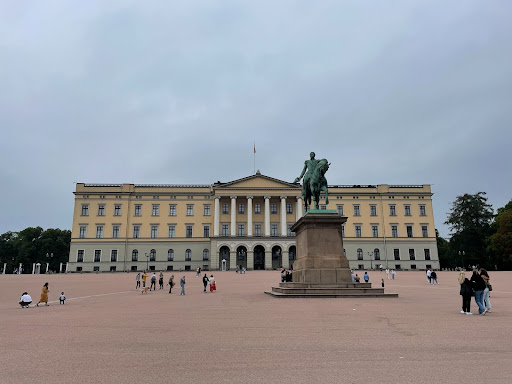
Before I left, I had a list of cities I wanted to visit while abroad. Since being here, I have narrowed it down to leave room for places I had not previously considered. Early on, I took a spontaneous trip to Oslo, Norway with friends I had just met, and it was one of the best experiences of my time abroad. Given that it was booked last minute, we did not have a strict itinerary, so we opted to walk around the neighborhood we were staying in and make our way through the city on foot. By doing this, we stumbled across a church culture fair and were able to talk to a local about their community as well as places we should visit during our time there. We also ran into an artisan market with local vendors selling their products and other vendors with gently used items for sale. Both of these experiences complemented the traditional tourist activities we also did, like seeing the opera house and The Royal Palace.

Lastly, studying abroad still involves studying, which looks different than at Vassar (obviously, but read on). Although there is more freedom to choose your classes and less pressure from exams, there is a lot of prep work, and the support systems abroad are less accessible than we are used to. Before departure, have an honest conversation with an on-the-ground academic support member and/or a student alum if you can contact one. Their perspective will help give you the best picture of how your learning style will fit into your new classroom, as well as the resources available to support you.
The program I decided on was my fourth choice overall. After ruling out others due to logistical reasons, I very quickly chose the program with the most interesting courses and opportunities to explore other places. I planned as carefully as I could but, as evidenced here, sometimes even the most extensive planning cannot prepare you for the obstacles you face. However, if you manage to take them in stride, you can still make a good time out of an otherwise stressful one.
Thank you so much for writing this. I’m also abroad right now and have had an incredibly mixed bag of amazing experiences as well as hard and painful times. I love my city, but I’m also stressed about finances, dealing with FOMO and missing my friends and it’s so refreshing to hear that someone else feels the same way. So much of the dialogue around study abroad is that it’s the best time of your life and I think it’s important to paint a realistic picture of what study abroad can be for some people, which you’ve done beautifully. Wishing you all the best in the rest of your semester :)
Thank you, Sarah! I hope all goes well for you, you got this :)