
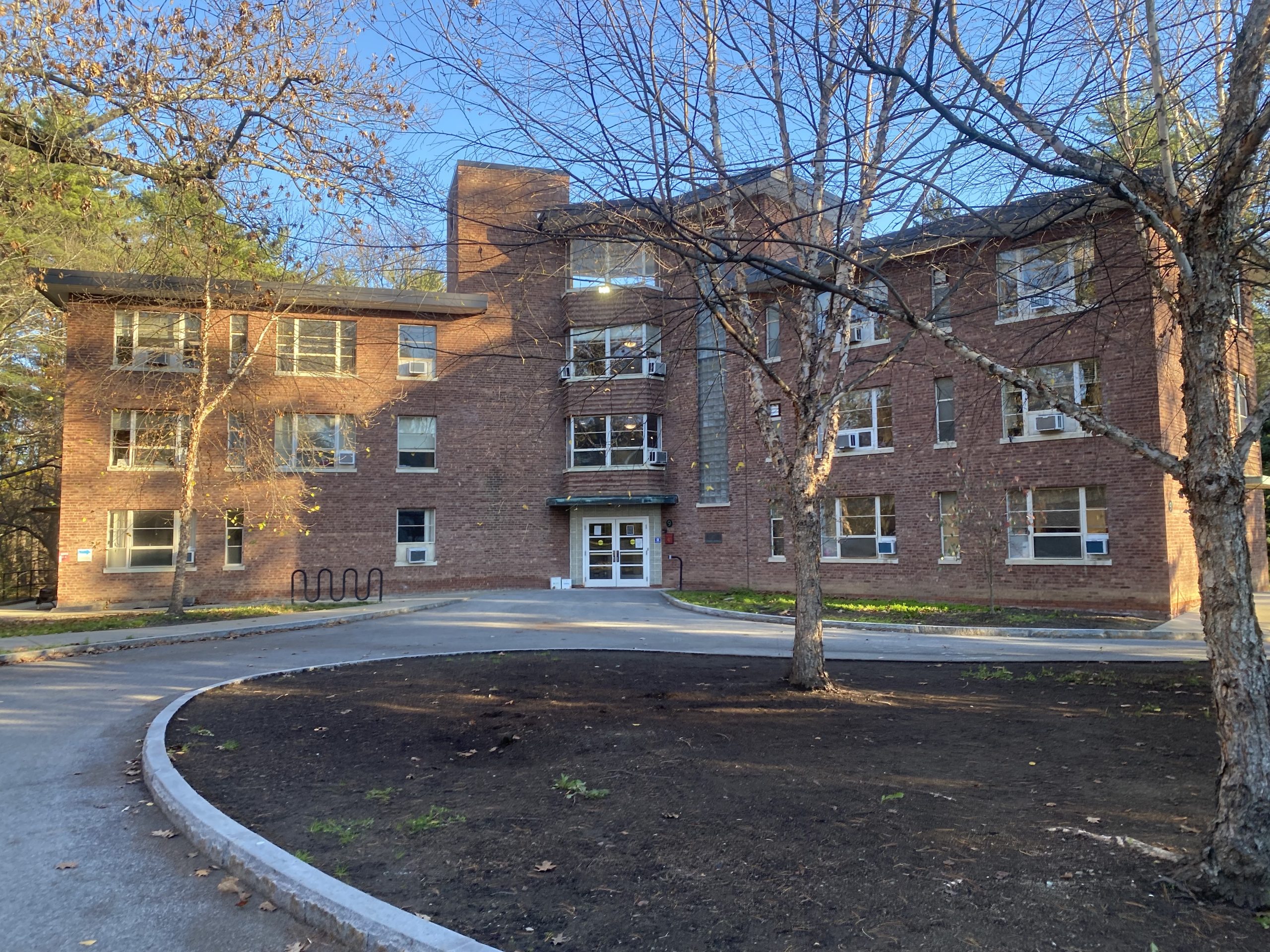
Vassar College Health Service reported an outbreak of an unidentified gastrointestinal (GI) illness, including symptoms of nausea, vomiting and diarrhea, in an email to the student body on the morning of Feb. 28. Between Feb. 27 and March 4, Health Service has recorded 74 student and six employee cases. The Dutchess County Health Department (DOH) was not able to confirm if this was a norovirus outbreak similar to the one that plagued Vassar’s campus last spring. The origin of the most recent wave of GI cases remains unknown, and the student body continues to be on high alert following the announcement.
Director of Student Health Service Margot Schinella confirmed in a written statement that the DOH has performed onsite inspections, and continues to assess the data from this most recent wave of GI illnesses. It is unclear what specific GI illness caused these cases after Health Service reported that it was unable to collect enough specimens to confirm through testing. The email update released by Schinella on March 3 stated, “Although we have not been able to confirm that these were cases of norovirus, we are highly suspicious that this was the causative pathogen.” Despite the uncertainty surrounding the source of the illness, Schinella expressed confidence that students do not need to be concerned upon returning to campus, commenting, “The last case was reported on 3.4.23. As most GI illness symptoms resolve within 72 hours of symptom onset, I do not foresee concerns upon return to campus.”
Fear that this resurgence of GI illness could be norovirus stems from last spring. Last year, Schinella reported 164 cases of GI illness from April 25 to May 3, 2022, the majority of those afflicted being students, to have been confirmed by the New York State Department of Health as a norovirus outbreak. In both last year and the current instances of GI illness, no origin has been identified. Schinella said of the two GI outbreaks: “This outbreak was contained and mitigated much more rapidly than last year. This is in part due to the fact that many students left campus for spring break, and also to rapid campus-wide communication and expedited implementation of enhanced cleaning and disinfection strategies with Facilities Operations and Dining Services.”
The College’s response has elicited mixed reviews from students. In regard to the College’s reaction to the outbreak, Peter Nydam ’24 said, “The College didn’t really support me at all. I went to urgent care on the evening I had symptoms and only let the College know the morning after, at which point I already had a Zofran prescription from the urgent care.” He added, “They didn’t check up on me at all.” Jean Gonzalez ’23 reported similar frustration: “The school hasn’t done anything in response to the sickness except send a single email.” Moving forward, he suggested, “[The College] should have goodie bags with Pedialyte and other medicines and put students in isolation rooms.” Lucy Gundel ’25, faced difficulties seeking accommodations from professors after developing GI symptoms, saying in a written correspondence, “Some of my teachers were not as understanding as I would have expected them to be.”
Liz Feldstein-Nixon ’25 offered a more optimistic opinion, remarking in an interview, “I was glad that they emailed us when they did, even if I didn’t want to receive the email. I think they tried to get ahead of this outbreak because of last spring, specifically.”
While the timing of spring break helped reduce the spread of this most recent GI illness on campus, it also posed problems for some students’ plans. Feldstein-Nixon, a member of the Boxing Nuns Frisbee team, explained in an interview that the outbreak added unexpected hurdles to their annual spring break trip to Myrtle Beach, SC. Feldstein-Nixon stated, “After leadership met with Margot from Health Service we were still able to go on our trip, but we had to implement a lot of specific health protocols to make sure it was safe, since we were a group of upwards of 60 people traveling together for a week coming from Vassar, where this gastro outbreak had been.”
To prevent a further outbreak, Schinella advises Vassar students and community members to regularly wash their hands with soap and water, abstain from touching their faces, avoid preparing food for others when feeling unwell, clean and disinfect frequently touched surfaces or soiled linens and refrain from sharing food or beverages with others.