
First it was the “iPad kid,” then the “tradwife,” now the “Sephora Tween.” How will TikTok label and compartmentalize the next socio-political discourse? The problems with the “Sephora Tween” do not end with consumerism, holding tech companies accountable or even minimizing social media. TikTok makes us forget that these few stories (which are exaggerated, I feel) are not representative of the larger tween population. Behind the screens lie the lives of real, impressionable young girls who deserve our love, guidance and not to be shamed online. Rather than looking to fix society, we must begin with individual accountability to make spaces for creativity and individualism for both tweens and even ourselves, in college.
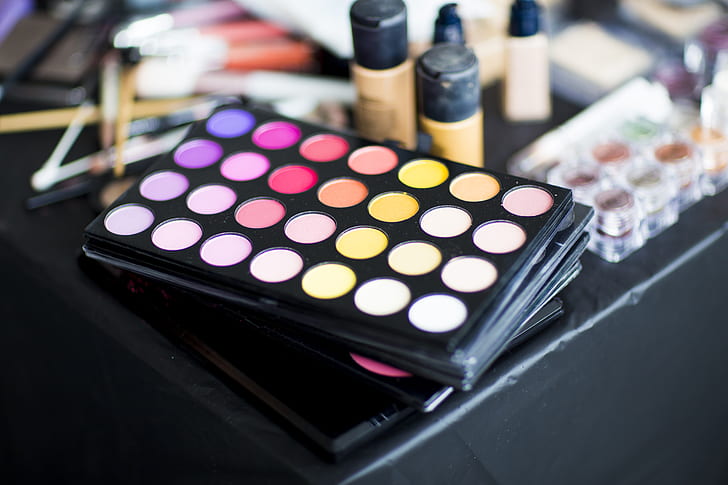
For those not chronically online, “Sephora Tweens” are preteen girls who are messing up product displays and buying expensive makeup and skincare products without parental supervision. The key differentiation here between this and typical mall-going tween behavior is the pricey nature of the products purchased, as well as the unruly behavior and public shame associated with the “Sephora Tween.” But contrary to viral TikTok rhetoric, “Sephora Tweens” or any social media-labeled group are not taking over, single-handedly causing overconsumption or insert-next-apocalyptic-social-phenomenon-here.
Most consumption-related social media trends are to influence the viewer: The VSCO girl made us all buy scrunchies, the Stanley cup craze made lines stretch outside Target stores, the viral baked feta pasta led to high feta demand. In contrast to encouraging consumption, the “Sephora Tween” label aims to criticize the individual lavish consumption habits of tweens to speak to the broader, capitalism-induced loss of childhood. However, in the process of systemic critique, it is the tweens, not the companies, that are shamed and denied compassion. Especially when it is through social media discourse where these labels come alive and are debated, TikTok holds power despite fueling this crisis. Criticism is the start and end of social media discourse.
If the only response to the exclusionary, expensive tastes and messy practices of the “Sephora Tween” is to shame and politicize, when and where can tweens find spaces to talk about what they even want for themselves? It is important to note that simply restricting social media or shaming behavior are easy, unsustainable fixes, where neither children nor chronically-online college students (speaking from personal experience) will respond positively. They will just find other ways to access social media. I think rather than simply responding to the isolated, while still admittingly scary, phenomenon of the “Sephora Tween”, the focus should be on creating spaces for tweens to be silly, goofy tweens. One article by Upworthy notes the importance of tween-specific gathering spaces like Justice and Claire’s, and Teen Vogue speaks to the loss of tween fashion as forcing conformity to styles meant for older ages. If such a high bar of social acceptance thrust onto our next generation has created “Sephora Tweens”, the solution should be demanding creativity and dorkiness from our media landscape.
But “Sephora Tweens” are not an esoteric, isolated phenomenon. When my friends talk about the “Sephora Tween”, we politicize by distancing ourselves. We talk about the ills of society instead of talking about our lived experiences: the shame that is the strongest in those pre-teen years before you know who you are, the many awkward phases of various aesthetics, the realization that misogyny exists. We, too, are subject to these influences and pressures; they are only amplified through the “Sephora Tween”, shining a mirror to the young girl inside of us.
“Sephora Tweens” urge my personal reflection on both limiting my consumption and broadly what I want out of my life; whether it is possible to live a happy, full life if I do not wear retinol or know what I want my career to be. Khadija Mbowe’s video essay notes how the age range of 10-24 has been lumped into one marketed age group, leading to the disappearance of tweens. Teenagers forced to act like adults have made tweens want to be teenagers. The balancing act of age is working to grow up, to fit in, to make it, to be that girl while not losing individuality, and now the “Sephora Tween” shows us that pressure is starting even younger.
As college students, we are in the prime of contemplation as our lives are ahead of us, a cliche but still powerful truth. It is the time for many of us of the greatest independence over what we study, eat, wear, buy—all consumption choices. We also have choices to learn, to explore, to meet new people, to step out of our comfort zones. The reason why the “Sephora Tween” exists is because we made her exist. Similarly, the working adults we will one day be are a reflection of our choices now.
While Vassar has a reputation for being individualistic, most clearly through the fashion sense of its students, I think we are all still quite influenced in our media choices and life goals. While I am an adult woman pursuing higher education, sometimes I am just a girl. Hopefully, the presence of “Sephora Tweens” can remind us college students that we, too, should focus on simply being students, rather than succumb to the existential crisis that is graduating and career climbing.
One tangible means for reducing your ability to be influenced is controlling your “For You” page, making it actually for you. Viewing influence outside of big socio-political terms helps to make sense of it and take action on an individual scale. You can click on harmful posts and request to see fewer posts like them. You can engage with videos that make you giggle. You can set limits on the time you spend on apps and turn off notifications. I also find Pinterest and Twitter more user-driven than the doomscrolling encouraged by Instagram or TikTok. Only you can take control of your own consumption.
Well written !!
Pop culture is not about depth. It’s about marketing, supply and demand, consumerism.