
School is officially underway, and the lackadaisical summer days of pages nonchalantly turning in the breeze or towels strewn on beaches with sand-covered books are mournfully over. Summer is the time not just to catch up on that pile of books collecting dust in the corner but also to peruse new ones, even if just for a few chapters. And so, before we delve deep into the to-be-or-not-to-be aesthetic of Shakespeare or the lovelorn governesses of Brontë, let us review some of the memorable reads of the summer—and also some recommendations that are perfect for pumpkin spice season and sweater weather.
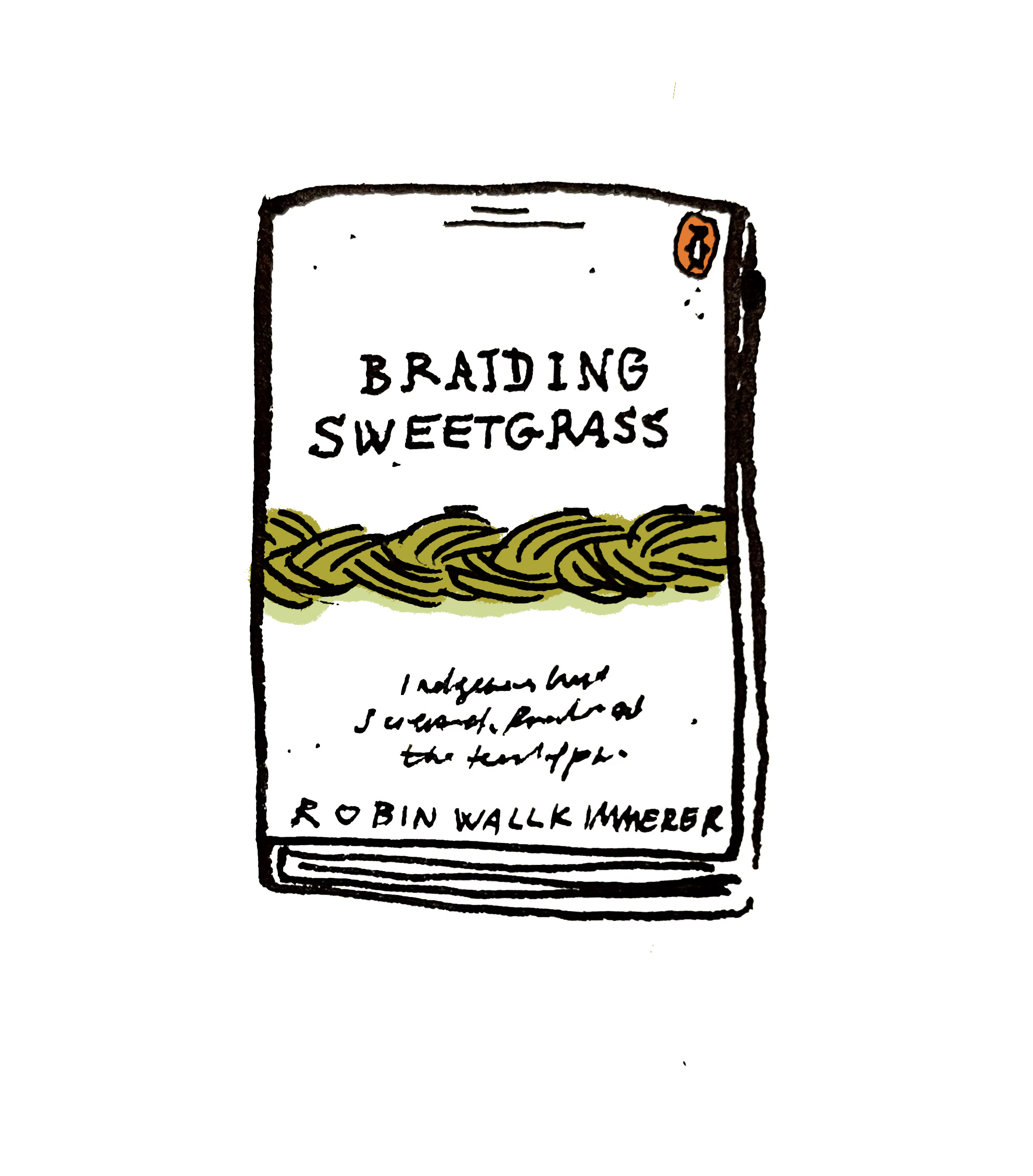
“Braiding Sweetgrass: Indigenous Wisdom, Scientific Knowledge and the Teachings of Plants” is a collection of nonfiction essays by Robin Wall Kimmerer. Kimmerer, an enrolled member of the Citizen Potawatomi Nation, connects the modern age of science to the traditional American indigenous notion that the natural world holds all the answers. A mixture of poetry, scientific language and indigenous wisdom, Kimmerer invites the reader to reframe our relationship to the natural world on topics such as gift economy and reciprocity, true gratitude and humility. The writing style is lyrical yet lucid and will make you want to sit in a hollowed-out tree with moss growing on the side and a beetle napping on your shoulder.
“Happy Place” by Emily Henry is a romantic comedy about two college sweethearts who have fallen out of love but have to pretend to still be together at their best friends’ wedding years later. Henry, author of “Beach Read,” “People We Meet on Vacation” and the newly-published “Funny Story,” is notorious for her witty dialogue and heartthrob characters. Perfect when you are looking for a fresh take on some classic tropes, “Happy Place” (and really any of her books) is suitable for laying back in a cabana and tuning into a lighthearted romantic story that has enough twists to keep you captivated under the warm sun.
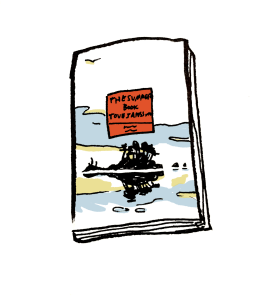
“The Summer Book” by Tove Jansson, though first published in 1972, nevertheless encapsulates the spirit of summer, even over 50 years after it was first published. A six-year-old girl spends her summer with her elderly artist grandmother on a small island in the gulf of Finland. As a novella, each chapter is a vignette glimpsing into their lives, so you can easily breeze through. It takes some time for the grandmother and granddaughter to acclimate to each other’s rhythms, as the former is set in her ways and the latter stubborn in hers. Yet their bond strengthens, and there is a certain honesty about people who are very, very old connecting with those who are very, very young. The writing is not very flowery or lyrical, but its clear and distinct style makes it beautiful in a different way.
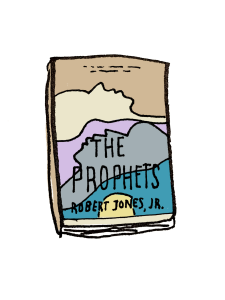
And finally, the first-year read was “The Prophets” by Robert Jones Jr. A novel told from many perspectives, “The Prophets” depicts the love story of Isaiah and Samuel, enslaved people working in the Deep South on a Mississippi cotton plantation. Elements of religion, myth, magical realism and history are present alongside a writing and storytelling style reminiscent of Toni Morrison and Jesmyn Ward. The juxtaposition of the cruel and horrific realities of slavery coexisting with their love is one to remember. On Monday, Sept. 23, Jones will be at Vassar for the William Star Lecture where he will discuss his novel further.
Now, we will shift to a shortlist of fall reads to consider, leisurely or otherwise, that can set the autumnal tone for the season. Whether it is listening to an audiobook while strolling through the quad or sitting on a bench on Library Lawn amidst the falling leaves, the following books are perfect for those scenic Hudson Valley autumn days.
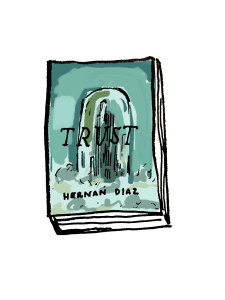
“Trust” by Hernan Diaz was one of the winners of the Pulitzer Prize for Fiction in 2023. “Trust” is a complex and multifaceted novel depicting the microcosm of Wall Street in the 1920s in the moments leading up to and the aftermath of the Great Depression. Seemingly a narrative about the American Dream and self-sufficiency, Diaz manages to weave competing voices and half-truths surrounding the mystery of how Benjamin and Helen Rask have acquired their wealth. A literary puzzle with revelations in each of the four parts, “Trust” explores themes of privilege, greed, deception, complicity and perception.
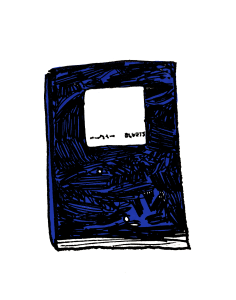
“Bluets” by Maggie Nelson is a lyrical, philosophical meditation and hyperfixation on the color blue, examining the color as a refraction of love and loss with her former partner. A collection of prose poems divided by numbered paragraphs, “Bluets” can be a casual read when you feel like the stress of school is becoming too much. This collection’s parts are cohesive in the sense that they all center around the color blue, but they do not require remembering a specific storyline or character. In fact, the numbered—at times disparate—paragraphs of prose poems invite a pause and sense of slowing down. “Bluets” truly is a breath of crisp autumn air. Nelson mangages to incorporate academia seamlessly with references to Wittgenstein, Goethe, Stein and Emerson, so it feels like you are learning new tidbits of information through osmosis.
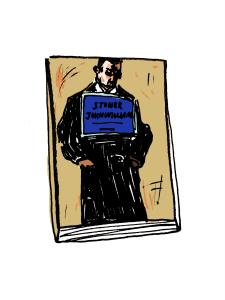
“Stoner” by John Williams takes place during the end of the nineteenth century and centers around William Stoner and his journey in academia. Being from a poor Missouri farm, his family’s expectation was for him to attend state university and study agronomy; however, he fell in love with English literature and went into a career in teaching. “Stoner” is a story revolving around academic life that relays the sentiment of being engrossed and obsessed in one’s studies—at times to the point of seclusion—all for the sake of this passion for scholarship. As a kind of bildungsroman, I think we as students can see ourselves reflected in “Stoner,” for better and for worse, as the academic year comes in full swing.
And so, though we are all busy with papers and assignments and quizzes, and our Google Calendars are gradually becoming blocks of color, I hope that we can all squeeze in some time to read for pleasure—or at least make our to-be-read stack a little bit taller.