
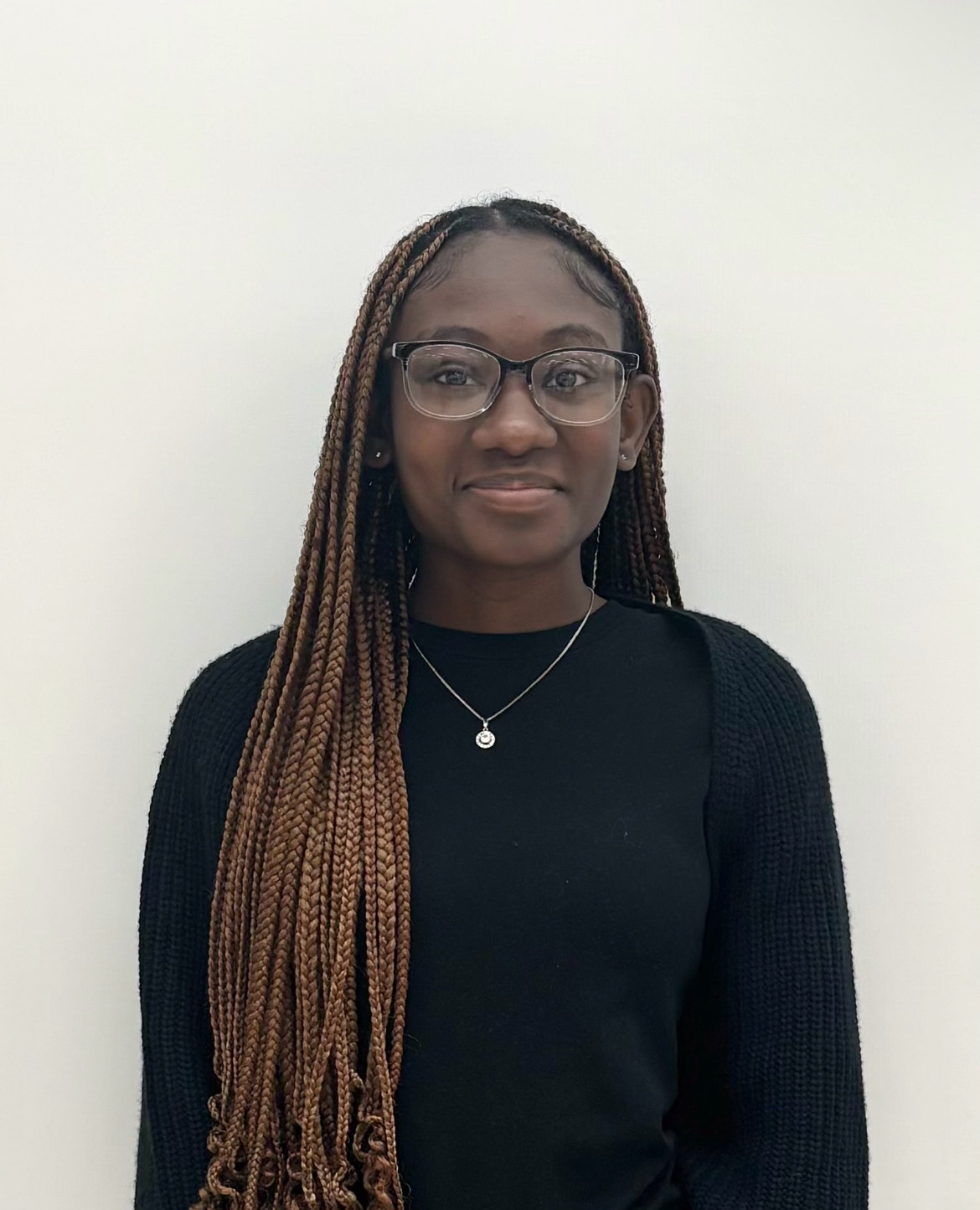
The Miscellany News is pleased to announce the winner of our first-ever Young Journalists Writing Contest: Jhanae Stewart! Stewart is a member of the class of 2025 at Poughkeepsie High School who hopes to work as a publishing journalist in the future.
Students from Poughkeepsie High School’s Pioneer Post submitted original works to The Misc for the opportunity of publication in Issue 10. We graciously thank all who submitted work. We extend a special thanks to Ms. J. Robin Ward, faculty advisor to Pioneer Post, and John Bradley, for their joint assistance in helping this project come to fruition.
—
In recent years, the national conversation around banning books has reached a fever pitch, affecting communities across the country. Following the 2024 Presidential election, this topic has extended to a new high, including at Poughkeepsie High School. With President-elect Donald Trump proposing broader book bans as part of his campaign rhetoric, questions arise about how these bans could influence what we study in schools—and how they might shape the way we learn about the world.
Books like “Animal Farm” and “To Kill a Mockingbird,” which remain cornerstones of our curriculum, have been under scrutiny in other districts for their depictions of racism, social inequality and political oppression. Sources like MLibrary have listed these books as banned and other books that focus on progressive themes, such as race, gender identity and LGBTQ+ topics. At Poughkeepsie High, there is no indication yet that books are being pulled from shelves or curricula, but the chilling effect of these debates is tangible as we have seen evidence from Times Union of books like “Of Mice and Men” by John Steinbeck being challenged in the state of New York, undergoing the process of being banned.
These books have long been part of our curriculum because they foster conversations about racism, justice, government and morality—conversations that feel especially relevant given the societal tensions we experience daily. But these very qualities make such works frequent targets of censorship. According to Central Florida Public Media in states like Florida “The Handmaid’s Tale,” a timeless classic, has been challenged as being “too explicit.” While these bans have not reached us, the possibility looms large as they have spread across states, primarily in the South.
Supporters of these bans argue that certain content is too mature or controversial for young readers, while critics—including students, teachers and free speech groups—believe banning books takes away students’ freedom to learn about different perspectives and could make schools less inclusive. GBH claims it is simply unconstitutional that Trump is proposing changes like this and states it is a violation of the First Amendment. “The First Amendment demands that publication not be prohibited.”
For students like my peers, these debates are not just theoretical—they directly affect how they engage with the world. Reading banned books like “Animal Farm” and “To Kill a Mockingbird” has shaped students’ understanding of history and the importance of challenging oppressive systems. “Honestly I’m scared for what the future holds if Trump follows through with this,” said Karmiah Rouse, a senior at Poughkeepsie High School. “I just think we’re going one step closer to ending freedom in America.”
For now, the works remain part of our curriculum, but the conversation surrounding banned books has already introduced an air of uncertainty. Will our educators feel supported enough to keep challenging materials on the syllabus? Will Trump’s proposed policies—or even just the fear of them—push our school toward self-censorship?
Ultimately, the issue of banned books is about more than curriculum; it is about the kind of education we want for our community. As Poughkeepsie High students, we have a stake in ensuring our education equips us with the tools to think critically and empathize deeply. Losing essential classics will most likely have a direct effect on education, as well as students—leaving education without depth.
As succinctly put by Dan Kennedy of GBH: “The scent of authoritarianism is in the air. Will we pay attention?”